
Are Cosmetic Dental Treatments Permanent?
Dec 22, 2025
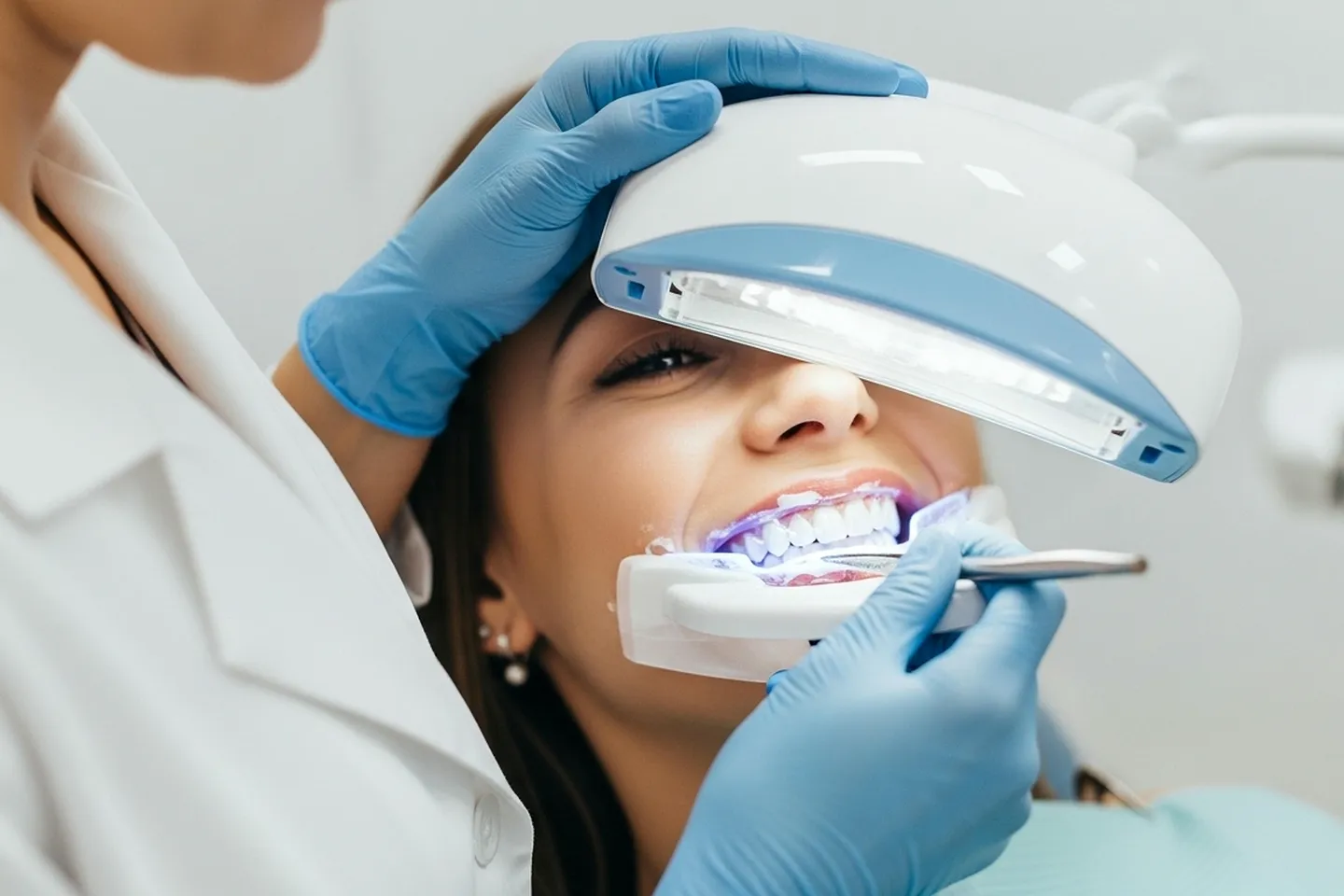
Investing in a beautiful smile through cosmetic dental treatments is a transformative decision. Whether you choose professional whitening, bonding, or veneers, the immediate results offer an incredible boost to your confidence and appearance. Naturally, one of the most common questions we hear at State Street Dental is: "How long will this last?"
The truth is, while the results of cosmetic dentistry are highly durable and long-lasting, few treatments are truly "permanent." Like a high-end kitchen renovation or a luxury car, these restorations require ongoing care and maintenance. They may eventually need replacement or touch-ups to maintain their optimal look and function.
As your trusted dentist in Springfield, MA, we want our patients to approach cosmetic dentistry with realistic expectations. Understanding the expected lifespan and required maintenance for each procedure is key to protecting your investment.
The Lifespan Varies: Understanding Different Treatments
The longevity of a cosmetic dental treatment depends heavily on the type of material used, the location in the mouth, and, most importantly, the patient's oral hygiene habits.
1. Porcelain Veneers and Crowns (Most Durable)
Porcelain veneers and dental crowns are considered the most long-lasting options in aesthetic dentistry. They are custom-fabricated from high-quality, durable ceramics in a dental lab.
- Average Lifespan: 10 to 15 years, often lasting 20 years or more with meticulous care.
- Why They Last: Porcelain is highly resistant to staining, wear, and fracture. It mimics the light-reflecting properties of natural enamel, ensuring the aesthetic appeal remains constant.
- Need for Replacement: Veneers and crowns are not permanent because the underlying natural tooth can still develop decay at the margin (the junction where the porcelain meets the tooth). Also, over time, gum recession can expose the edge of the veneer or crown, requiring replacement for aesthetic reasons.
2. Dental Bonding (Versatile and Conservative)
Dental bonding involves applying a tooth-colored resin material directly to the tooth, which is then shaped, hardened with a special light, and polished. It's highly popular for correcting chips, gaps, and minor alignment issues.
- Average Lifespan: 5 to 10 years.
- Why They Need Touch-Ups: Bonding resin is not as hard or as stain-resistant as porcelain. The material can chip, fracture, or dull over time, especially if used on biting surfaces or in patients who grind their teeth.
- Maintenance: Bonding is generally easy and less expensive to repair or touch up than porcelain restorations.
3. Professional Teeth Whitening (Requires Maintenance)
Teeth whitening is one of the quickest and most popular cosmetic dental treatments, dramatically improving the color of the natural teeth.
- Average Lifespan: 6 months to 2 years.
- Why It Fades: Whitening results are temporary because teeth naturally re-stain over time. Consumption of dark-colored beverages (coffee, tea, red wine) and foods, as well as tobacco use, causes the color to regress.
- Maintenance: To maintain brilliance, patients require periodic touch-up treatments at home using custom trays provided by State Street Dental.
4. Orthodontic Results (Requires Retention)
While Invisalign and traditional braces are not strictly "cosmetic," they fundamentally change the structure of the smile. The results of teeth straightening are permanent only if retention is strictly maintained.
- The Relapse Factor: Teeth naturally have a "memory" and will drift back toward their original position if not held in place.
- Permanent Solution: The final result is permanent only with the consistent, often lifelong, use of retainers (either removable or fixed/bonded retainers) as prescribed by your dentist in Springfield, MA.
Factors That Determine Longevity
Several patient-dependent factors play a critical role in determining whether your cosmetic dental treatments extend or shorten your lifespan.
1. Oral Hygiene and Preventive Care
Meticulous daily hygiene is the single most significant determinant of longevity.
- Brushing and Flossing: Proper brushing and flossing prevent plaque buildup, which helps protect the natural tooth material underlying the restoration from decay. Decay around the margin of a veneer or crown almost always necessitates replacing the restoration.
- Regular Checkups: Routine appointments at State Street Dental allow your dental team to inspect the margins of your veneers and crowns, catch early signs of decay, and monitor the condition of your bonding.
2. Bruxism (Teeth Grinding)
Chronic teeth grinding or clenching (bruxism) exerts enormous, unnatural pressure on all teeth, especially those with bonded materials or porcelain.
- Impact: Bruxism can lead to fractured porcelain veneers or severe chipping of dental bonding.
- Solution: Your dentist in Springfield, MA, will recommend a custom-fitted nightguard to protect your cosmetic restorations from grinding forces while you sleep.
3. Lifestyle and Diet
Hard, sticky, and highly pigmented foods and habits can compromise your investment in your smile.
- Avoid Biting Hard Objects: Biting ice, hard candy, nuts, or chewing on pens can fracture porcelain and chip bonding.
- Stain Management: For patients with bonded or natural teeth after whitening, limiting staining agents (e.g., coffee, tobacco) or rinsing immediately after consumption is essential.
Maximizing Your Cosmetic Investment
You can extend the life of your new smile far beyond the average lifespan by partnering with your dental team on a clear maintenance plan.
1. Choosing the Right Procedure
When discussing your goals, your dentist in Springfield, MA will always prioritize durable, high-quality materials. For extensive cosmetic changes, porcelain veneers are usually a better, longer-term investment than bonding due to their superior resistance to wear and staining.
2. Using Non-Abrasive Products
Use a soft-bristled toothbrush and a non-abrasive toothpaste. Abrasive toothpastes or stiff brushes can scratch the surface of dental bonding or porcelain and potentially damage the gum line around a veneer.
3. Immediate Repair and Monitoring
Do not delay contacting State Street Dental if you notice a small chip, rough edge, or sensitivity. Small issues can often be polished or repaired quickly before they turn into larger, more expensive problems requiring full replacement.
Frequently Asked Questions (FAQs)
Q1: If a veneer breaks, does the whole tooth break too?
A: Not usually. A veneer is cemented to the minimally reduced front surface of the tooth. If the veneer fractures, the underlying natural tooth remains intact, but it will need protection. The fractured veneer piece is carefully removed, and a new one is custom-made and fitted by your dentist in Springfield, MA.
Q2: Does dental insurance cover cosmetic treatments?
A: Generally, cosmetic dental treatments are not covered by standard dental insurance plans. However, if a procedure also serves a restorative function (e.g., a dental crown on a tooth that was cracked or severely decayed), partial coverage may apply. State Street Dental can help you review your specific policy.
Q3: Why do bonded teeth stain more easily than natural teeth?
A: The composite resin used in bonding is slightly more porous than natural tooth enamel or porcelain. This porosity makes it more susceptible to absorbing pigments from highly colored foods and drinks over time.
Q4: If I get veneers, do I still need to worry about cavities?
A: Yes, absolutely. The veneer only covers the front and chewing surfaces. The back of the tooth and the margins near the gum line are still exposed to plaque and decay. Meticulous hygiene and regular professional cleanings remain necessary to protect the natural tooth beneath the restoration.
Q5: How often should I get teeth whitening touch-ups?
A: This depends on your habits. Most patients maintain optimal brightness by using their custom trays with professional-grade gel for 1 to 2 nights every 6 to 12 months. Your dentist in Springfield, MA, can recommend a personalized touch-up schedule.
Schedule Your Smile Consultation
While the term "permanent" may not strictly apply, your cosmetic dental treatments can provide a beautiful, functional smile for many years or even decades with the right care. At State Street Dental, we are committed to providing you with both the highest quality restorations and the maintenance plan to protect them.
Contact State Street Dental today to schedule your smile design consultation. Let our experienced dentist in Springfield, MA, guide you through the best cosmetic dentistry options for your lifelong, brilliant smile.
Schedule Your Visit!
*Name
*Phone Number
*Message

We are committed to providing high-quality dental care personalized to
each patient's needs, using the latest technology and techniques.
OVERVIEW
SERVICES
OFFICE HOURS
Mon - Fri: 9:00 am - 5:00 pm
Sat: By Appointment
Sun: Closed
Privacy Policy | © 2025 State Street Dental | All Rights Reserved | Digital Marketing by Remedo