
Is Laser Dentistry Used for Gum Reshaping?
Nov 12, 2026
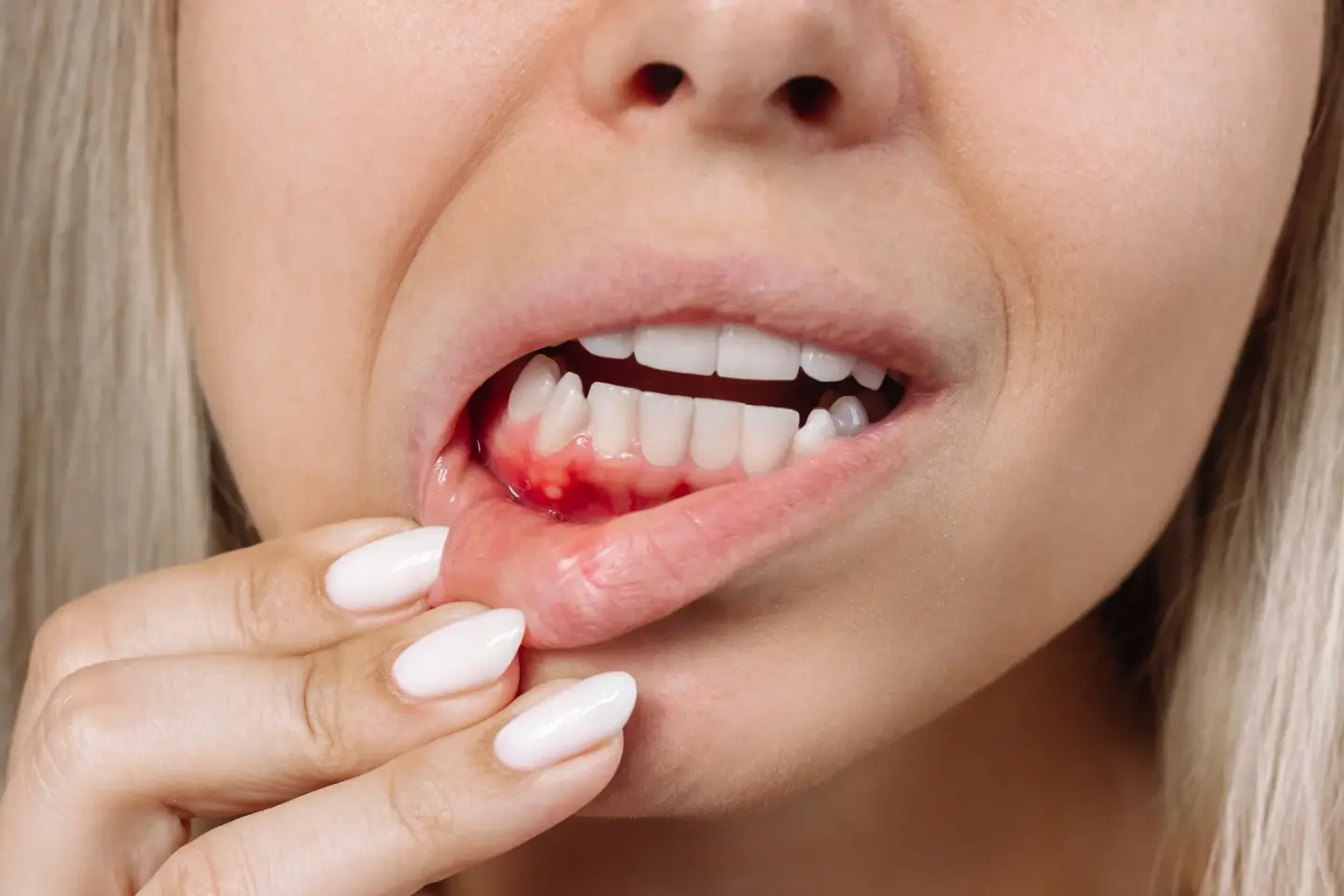
If you have ever caught yourself covering your smile in photos because your teeth look short or your gums seem to take over, you are not alone. Gum reshaping is one of the most common cosmetic concerns dentists hear about, and it often comes with a second question: can a laser really do that? The short answer is yes, dental lasers are commonly used to reshape gum tissue. Still, the details matter, and understanding how it works can help you decide whether it is worth exploring. If you are curious about laser gum reshaping in Springfield, MA, this guide breaks it all down.
What Is Gum Reshaping and Why Do People Choose It?
Gum reshaping, also called gum contouring, is a procedure that adjusts the shape and position of the gumline. Dentists use it for both cosmetic and functional reasons.
People often ask about it when they notice one of the following:
- A gummy smile: Too much gum tissue shows when they smile, making teeth look short.
- Uneven gumlines: Some teeth look longer than others because the gum edge is not symmetrical.
- Short looking teeth: Teeth may be a normal length but are partly covered by excess gum.
- Preparation for other dental work: Sometimes a small adjustment helps a dentist place a crown or veneer more precisely.
For many people, the appeal is simple. A more balanced gumline can help a smile feel more harmonious, and it can do so without changing the teeth themselves.
How Does Laser Dentistry Work for Gum Contouring?
A dental laser is a handheld instrument that produces a focused beam of light energy. In soft tissue procedures like gum reshaping, the laser gently removes small amounts of gum tissue with precision. Different lasers have different wavelengths, and your dentist chooses the one that suits the task.
Here is what the process often looks like.
- Consultation and planning: Your dentist examines your gums and teeth, may take photos or X-rays, and discusses what you would like to change. They also check the health of your gums, since inflammation or gum disease may need attention first.
- Mapping the new gumline: Many dentists mark the planned gumline so you can preview the shape before treatment begins.
- Comfort measures: A local anesthetic or numbing gel is commonly used so you stay comfortable. Some lasers may need little or no injection, depending on the case.
- Reshaping the tissue: The laser carefully trims and sculpts the gum tissue to the planned shape. The laser energy can also seal small blood vessels as it works, which may lead to less bleeding in some cases.
- Checking the result: Your dentist reviews the new contour with you to make sure it looks balanced.
Many laser gum contouring appointments are completed in a single visit, though this depends on how many teeth are involved.
What Are the Potential Benefits of Laser Gum Reshaping?
Dentists who use lasers often point to a few possible advantages compared with traditional scalpel based methods. Keep in mind that experiences vary, and the best technique depends on the situation.
- Precision: Lasers allow fine control, which can be helpful for small, detailed adjustments around the front teeth.
- Less bleeding: Because the laser can help seal tissue as it goes, some patients notice minimal bleeding during the procedure.
- Often no stitches: Many laser procedures do not require sutures, though this is not true in every case.
- Comfortable healing for many people: Some patients report mild discomfort and a smooth recovery, though healing times vary.
- No scalpel involved: Some people feel more at ease knowing the procedure does not use a traditional blade.
Laser dentistry is one tool among several. Your dentist may recommend a scalpel or another approach if it better suits your gums and goals.
Is Gum Reshaping the Same as Laser Gum Disease Treatment?
No, and the two are easy to mix up because both can involve a laser. Gum reshaping changes the shape of healthy gum tissue for appearance or to prepare for other work. Gum disease treatment, on the other hand, focuses on removing infected tissue and bacteria to restore gum health. If you have bleeding, swollen or receding gums, your dentist will usually want to treat the gum disease before talking about reshaping. You can read more about how laser dentistry is used in everyday dental care.
Who May Be a Good Candidate for Laser Gum Contouring?
Not everyone needs or can have gum reshaping, so an exam is an important first step. People who may be good candidates often have healthy gums, enough gum tissue to reshape, and a clear reason for the change. A dentist will also look at what is causing the gum appearance. For example, a gummy smile can come from excess gum tissue, teeth that did not fully erupt, a short upper lip, or the jaw position. Each cause may point to a different solution.
Gum reshaping may not be a good fit if you have active gum disease, certain medical conditions, or if the issue is related more to bone structure than to gum tissue. In those cases, your dentist may suggest treating gum disease first or may talk about other options, such as orthodontics or a referral to a specialist. If you are considering other cosmetic dentistry treatments alongside gum reshaping, a consultation can help you understand which path suits you.
What Is Recovery Like After Laser Gum Reshaping?
Most people find recovery to be straightforward, though your dentist will give instructions tailored to you. In general, it is common to have some tenderness, mild swelling, or sensitivity for a few days. The treated area may look slightly white or sore at first as it begins to heal.
Here are some tips that many dental teams suggest.
- Choose soft, cool foods at first: Yogurt, smoothies, and scrambled eggs are easy on healing gums.
- Avoid spicy, crunchy, or very hot foods: These can irritate the area.
- Brush gently: Use a soft toothbrush and be careful around the treated area.
- Rinse as directed: Your dentist may suggest a gentle rinse, such as warm salt water.
- Use over the counter pain relief if recommended: Follow your dentist's guidance on what is appropriate for you.
- Keep your follow up appointment: This lets your dentist check how your gums are healing.
If anything feels off, such as increasing pain, persistent bleeding, or swelling that does not improve, call your dental office.
Frequently Asked Questions
Q. Does laser gum reshaping hurt?
Most people find it comfortable, since numbing is typically used. You may notice some mild tenderness afterward, which often settles within a few days.
Q. Is laser gum contouring permanent?
The removed gum tissue does not typically grow back, but results can vary. Factors like gum health, habits, and genetics may influence how the gumline looks over time. Your dentist can explain what to expect.
Q. How long does the procedure take?
Many cases take about an hour or less, depending on how many teeth are involved. Your dentist can give you a better estimate after your exam.
Q. Is laser dentistry safe for gums?
Dental lasers are used by trained professionals as part of many soft tissue procedures. Your dentist will review whether it is appropriate for your situation and explain any risks.
Q. Is gum reshaping covered by insurance?
Coverage varies. Cosmetic procedures are often not covered, while treatments needed for health reasons may be. The office can help review your benefits.
Thinking About Gum Reshaping in Springfield, MA? Talk to State Street Dental
If your gumline is the one thing that keeps you from feeling fully confident about your smile, it may be worth a conversation. At State Street Dental, our team will listen to your goals, examine your gums and teeth, and explain whether gum reshaping or another approach may be a good fit for you. We believe in clear answers and a comfortable, pressure free experience. Just schedule a consultation.
Schedule Your Visit!
*Name
*Phone Number
*Message

We are committed to providing high-quality dental care personalized to
each patient's needs, using the latest technology and techniques.
OVERVIEW
SERVICES
OFFICE HOURS
Mon - Fri: 9:00 am - 5:00 pm
Sat: By Appointment
Sun: Closed
Privacy Policy | © 2025 State Street Dental | All Rights Reserved | Digital Marketing by Remedo